





You may assume there is no reason to see a dentist when your teeth feel fine, but some dental problems develop without obvious pain or other early symptoms. This guide explains what dentists look for during routine check-ups, why regular examinations matter, and how often you may need one.
What Dentists Look for During a Routine Dental Check-Up
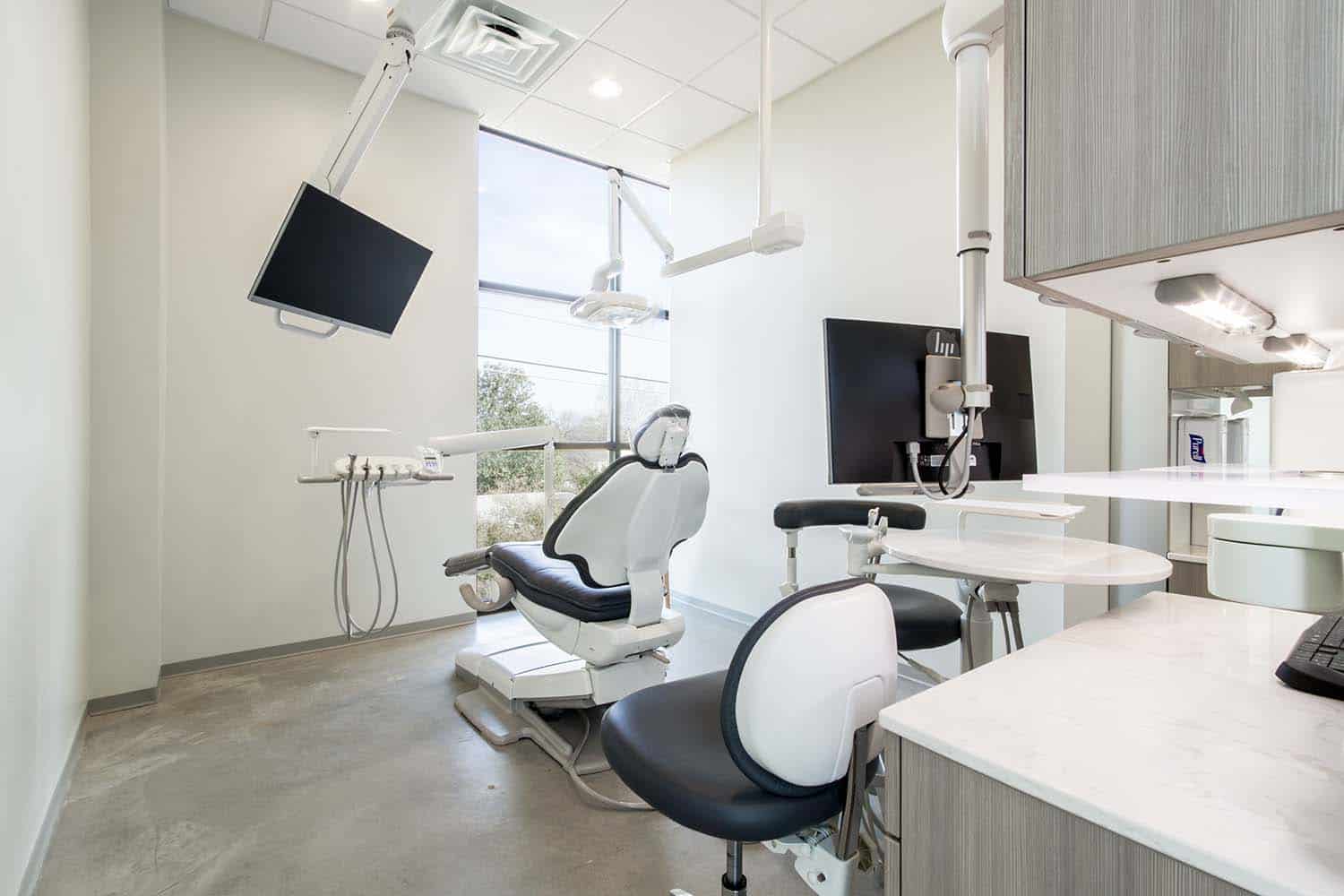
A dental check-up is an opportunity to evaluate more than whether you currently have a toothache. Your dentist examines your teeth, gums, restorations, bite, and oral tissues and may recommend additional testing or X-rays when clinically necessary.
Tooth Decay and Failing Dental Work
Your dentist checks for signs of new tooth decay as well as problems involving existing fillings, crowns, bridges, or other restorations. Changes around the edges of dental work, fractures, wear, or decay that is difficult to see directly may require closer examination or imaging.
Gum Health
A check-up can include an evaluation of the gums for inflammation, bleeding, recession, and signs of periodontal disease. Depending on your needs, the dental team may also measure the spaces around the teeth to look for changes in gum and bone support.
Changes in the Bite, Teeth, and Oral Tissues
Dentists also look for changes in tooth wear, alignment, the way your teeth fit together, and the soft tissues of the mouth. Routine examinations can include screening the tongue, cheeks, gums, jaw, neck, and other oral tissues for sores, patches, lumps, or other changes that may require further evaluation.
Why Dental Problems Can Develop Before You Notice Symptoms
Dental disease does not always hurt in its early stages. Cavities can develop before they cause sensitivity, while gum disease and some changes in the oral tissues may also progress without obvious discomfort.
Waiting for pain can therefore mean waiting until a problem has become more advanced. A clinical examination, combined with X-rays when they are indicated, can reveal conditions that are difficult or impossible to recognize based on symptoms alone.
How Regular Check-Ups Can Help Prevent Small Problems From Becoming More Complex
Routine visits give your dentist a chance to compare current findings with previous examinations and identify changes earlier. A small area of decay, a worn restoration, gum inflammation, or an altered denture fit may be easier to address when it is recognized before it progresses.
Check-ups also allow preventive recommendations to be adjusted as your oral health changes. Your dentist may discuss brushing and cleaning techniques, cavity risk, gum care, restoration maintenance, or other steps intended to reduce the likelihood of needing more extensive dental treatment later.
How Often Should You Have a Dental Check-Up?
There is no single examination interval that is ideal for every patient. How often you should be seen depends on factors such as your current oral health, history of cavities or gum disease, existing dental work, medical history, and individual risk factors.
Some people may be advised to return more frequently than others, particularly when a condition needs closer monitoring. Your dentist can recommend an appropriate recall schedule after evaluating your oral health rather than relying automatically on the same timetable for everyone.
Conclusion: Routine Dental Visits Can Reveal Problems Before They Become Harder to Treat
Regular dental check-ups allow problems to be identified even when your mouth feels normal. They provide an opportunity to monitor teeth, gums, restorations, oral tissues, and other changes that may otherwise go unnoticed.
Keeping up with examinations does not guarantee that dental problems will never occur, but it can make it easier to recognize changes earlier. Your dentist can then recommend care based on what is actually happening in your mouth rather than waiting for pain to determine when you seek treatment.
FAQs About Regular Dental Check-Ups
Routine dental visits can vary depending on your oral health and treatment history, so not every appointment involves the same procedures. These common questions explain what patients can generally expect from ongoing dental examinations.
Do I still need a dental check-up if nothing hurts?
Yes, dental check-ups are still recommended when you have no pain or other symptoms. Cavities, gum disease, failing restorations, and changes in the oral tissues can sometimes develop before you notice anything unusual.
Is a dental check-up the same as a dental cleaning?
No, a dental examination and professional cleaning are different parts of preventive care, although they are often scheduled during the same visit. The check-up focuses on evaluating your oral health, while the cleaning focuses on removing plaque, calculus, and deposits from the teeth.
Will I need X-rays at every dental check-up?
No, X-rays should not automatically be taken at every dental visit. Current ADA guidance recommends obtaining dental images when they are clinically necessary based on your examination, oral health, disease risk, symptoms, and available previous images.
What happens if I skip dental check-ups for several years?
You may have dental changes that remain undetected until they become more noticeable or symptomatic. When you return, your dentist will assess your current teeth, gums, restorations, and oral tissues and may recommend X-rays or other evaluations depending on the findings.
Can a dentist find problems under crowns, bridges, or dentures during a check-up?
Yes, dentists can evaluate the teeth and tissues around crowns, bridges, and dentures for problems such as decay, gum inflammation, looseness, wear, or changes in fit. Some problems beneath or around restorations cannot be seen directly, so X-rays or other diagnostic methods may be recommended when clinically appropriate.
Schedule a Dental Check-Up With PURE Prosthodontics
PURE Prosthodontics provides general, preventive, restorative, implant, and prosthodontic dental care in Houston, TX, including comprehensive and periodic dental examinations. If you are due for a check-up or want to have existing dental work evaluated, schedule an appointment with PURE Prosthodontics to review your current oral health and any treatment or maintenance needs.